+91-9825708221

| No Item Found... |
Instrumentation and control Packages
Leading Manufacturers, Exporters, Wholesaler of Temperature Gauges, Online Analyzer, Side Mounted Magnetic Level Indicator, Float and Board Type Level Indicator, Humidity Controller, Humidity Data Logger, Humidity Transmitters, Dial Type Pressure Switch and Level Switches from Ahmedabad.
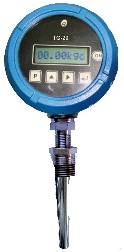
| Business Type | Manufacturer, Exporter, Supplier |
| Display Type | Digital |
| Feature | Accuracy, Easy To Fit, Measure Fast Reading |
| Application | Used To Measure The Temprature Of Liquids |
| Shape | Round |
| Material | Mild Steel |
| Country of Origin | India |
| Number Of Flower | Temperature Gauges |
| Brand | SA |
| Packaging Details | BOX |
Temperature gauges provide a local visual display of temperature readings, often used in various industrial and commercial settings. Here's a breakdown of their typical specifications:
General Specifications
· Temperature Range: The range of temperatures the gauge can display (e.g., -40°C to +300°C).
· Temperature Dial: This displays the temperature scale (e.g., Celsius or Fahrenheit) and markings for the measurable temperature range.
· Pointer: This indicates the measured temperature on the temperature dial.
Performance Specifications
· Accuracy: Expressed as a percentage of full scale (%FS) or in temperature units (°C or °F). Typical accuracy for good quality gauges is ±2%FS to ±5%FS. Dial thermometers generally have lower accuracy than digital thermometers.
· Response Time: The time it takes for the gauge to reflect a change in temperature (usually slower than electronic thermometers, ranging from seconds to minutes).
Additional Features
· Stem Length: The length of the metal part inserted into the medium to measure temperature. Choose a stem length that reaches the point of desired temperature measurement within the process or environment.
· Material of Construction: The materials used in the gauge housing, stem, and dial. Common materials include stainless steel, brass, and plastic. The selection depends on factors like temperature range, pressure resistance, and corrosion potential of the environment.
· Fill Material (Liquid Filled Gauges): Some gauges are filled with a liquid (often glycerin or silicone oil) to dampen vibrations and improve pointer movement readability.
· Max/Min Recording (Optional): A feature in some gauges that tracks and displays the highest and lowest temperatures recorded.
· Alarm (Optional): Certain models can be equipped with alarms to trigger at pre-set high or low-temperature thresholds.
Environmental Specifications
· Ambient Temperature Range: The range of surrounding temperatures the gauge can function within without compromising performance.
· Ingress Protection (IP rating) (Optional): A rating for some gauges indicating their resistance against dust and water ingress (e.g., IP54 for dust resistance and splash water protection).
Factors to Consider When Selecting a Temperature Gauge
· Temperature Range: Choose a gauge with a range that covers the entire temperature spectrum you intend to monitor.
· Accuracy: Select a gauge with accuracy suitable for your application's requirements. Dial thermometers may be sufficient for non-critical applications where high precision isn't essential.
· Response Time: Consider how quickly you need the gauge to reflect temperature changes in your application.
· Stem Length: Choose a stem length that reaches the appropriate measurement point within your process or environment.
· Material of Construction: Select materials compatible with the temperature range, pressure, and potential corrosive elements in your application.
· Additional Features: Consider optional features like max/min recording, alarms, or an IP rating based on your needs.
By understanding these specifications and factors, you can select a temperature gauge that provides a clear and reliable visual indication of temperature for your monitoring applications.

| Business Type | Manufacturer, Exporter, Supplier |
| Country of Origin | India,India |
| Feature | Accuracy,Digital Display,Highly Competitive |
| Application | Industrial Use |
| Packaging Type | Plastic |
| Number Of Flower | On Line ANALYZER |
| Material | Metal |
| Used In | Power Sector, Pharmaceutical industry, Government Organization, Food industry, Sugar industry |
We offer On-line Analyzer that is designed to give high performance and caters to the requirement of diverse process control instrument applications. We offer superior variety of On-line Analyzer that is highly praised for superior analytical accuracy and durability among clients all over the world. Today, we are listed as one of the prime On-line Analyzer Manufacturers and Exporters.
Highlighting Features
- High accuracy
- Effectual functioning
- Dependable
- Low maintenance cost
- Compact design
Used In
- Power Sector
- Pharmaceutical industry
- Government Organization
- Food industry
- Sugar industry
- Textile industry
- Dyes Intermediates
- Drug industry
- Fertilizer industry
- Soil industry
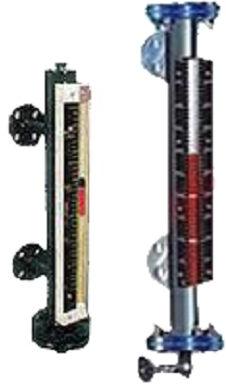
| Business Type | Manufacturer, Exporter, Supplier |
| Feature | Accuracy, Easy To Fit, Measure Fast Reading, Perfect Strength |
| Display Type | Digital |
| Material | Mild Steel |
| Number Of Flower | Magnetic Level Indicators |
| Condition | New |
| Country of Origin | India |
| Automatic Grade | Automatic |
| Guage Shape | Round |
| Application | Testing Water Level |
| Payment Terms | T/T |
| Packaging Details | Box |
Level indicators, unlike level switches, provide a continuous visual representation of the level of liquid or bulk solids within a container. They offer a more informative way to monitor fill levels compared to level switches that simply trigger an on/off signal at preset points. Here's a breakdown of level indicators and their various types:
Function:
· Provide a direct visual indication of the level of liquid or bulk material in a tank, bin, or silo.
· Allow for continuous monitoring of fill levels without relying solely on electrical signals.
· Can be used for various applications, including process monitoring, inventory control, and ensuring safety by preventing overfills.
Types of Level Indicators:
The choice of level indicator depends on the type of material being monitored (liquid or solid) and the desired level of detail:
· Sight Glasses (Tubular Level Gauges):
o Simple and cost-effective option for liquids.
o Consists of a transparent tube or window mounted on the side of a tank, allowing you to see the liquid level directly.
o Suitable for various tank sizes and pressures depending on the material.
· Reflex Level Gauges:
o For liquids with different refractive indexes (light bending properties) than the gauge material.
o The interface between the liquid and empty space appears as a distinct line due to refraction, indicating the level.
· Magnetic Level Indicators:
o Utilize a magnetic float inside the tank connected to an external indicator with red and white sections.
o The red section rises with the float as the liquid level increases, providing a visual indication. (May not be suitable for all liquids or environments with strong magnetic fields)
· Electronic Level Indicators:
o Employ electronic sensors and a digital display to show the liquid level.
o May use various sensing technologies like ultrasonic or radar and offer features like level scaling and data logging.
· Float and Board Level Indicators:
o Primarily for large tanks with bulk solids.
o A float rides on the surface of the material, connected by a cable and pulley system to an indicator board outside the tank.
o The board moves up or down to visually represent the fill level.
Additional Considerations When Choosing a Level Indicator:
· Material Type: Liquid or bulk solid (and its properties like transparency, viscosity)?
· Tank Material and Pressure: Compatible with the sight glass or enclosure material?
· Temperature Range: Suitable for the operating environment?
· Desired Level Detail: Basic level indication or need for precise measurements?
· Visibility Requirements: Viewing distance and ambient light conditions?
· Cost and Maintenance: Evaluate initial cost and ease of cleaning or maintenance.
Advantages of Level Indicators:
· Simple and Easy to Use: Provide a clear visual representation of fill levels.
· Reliable Operation: Generally less complex than level switches, offering reliable monitoring.
· Cost-Effective: Many options are affordable, especially for basic level indication.
Disadvantages of Level Indicators:
· Limited Data Output: Do not typically offer data logging or remote monitoring capabilities.
· Accuracy: May not be as precise as some electronic level switches for specific applications.
· Visibility Concerns: Viewing angles or ambient light can affect readability in some cases.
Overall, level indicators provide a valuable tool for visual monitoring of liquid or bulk solid levels in various applications. By considering the type of material, tank conditions, and desired level detail, you can choose the most appropriate level indicator for your needs. They offer a simple, reliable, and cost-effective way to keep an eye on your inventory and ensure safe operation.
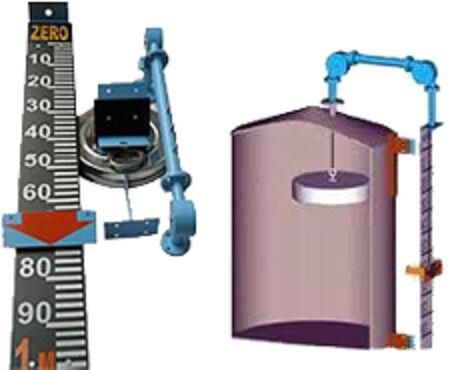
| Business Type | Manufacturer, Exporter, Supplier |
| Feature | Accuracy, Measure Fast Reading, Perfect Strength |
| Display Type | Digital |
| Number Of Flower | Level Indicator |
| Material | Mild Steel |
| Country of Origin | India |
| Condition | New |
| Automatic Grade | Automatic |
| Guage Shape | Round |
| Packaging Details | Box |
Level indicators, unlike level switches, provide a continuous visual representation of the level of liquid or bulk solids within a container. They offer a more informative way to monitor fill levels compared to level switches that simply trigger an on/off signal at preset points. Here's a breakdown of level indicators and their various types:
Function:
· Provide a direct visual indication of the level of liquid or bulk material in a tank, bin, or silo.
· Allow for continuous monitoring of fill levels without relying solely on electrical signals.
· Can be used for various applications, including process monitoring, inventory control, and ensuring safety by preventing overfills.
Types of Level Indicators:
The choice of level indicator depends on the type of material being monitored (liquid or solid) and the desired level of detail:
· Sight Glasses (Tubular Level Gauges):
o Simple and cost-effective option for liquids.
o Consists of a transparent tube or window mounted on the side of a tank, allowing you to see the liquid level directly.
o Suitable for various tank sizes and pressures depending on the material.
· Reflex Level Gauges:
o For liquids with different refractive indexes (light bending properties) than the gauge material.
o The interface between the liquid and empty space appears as a distinct line due to refraction, indicating the level.
· Magnetic Level Indicators:
o Utilize a magnetic float inside the tank connected to an external indicator with red and white sections.
o The red section rises with the float as the liquid level increases, providing a visual indication. (May not be suitable for all liquids or environments with strong magnetic fields)
· Electronic Level Indicators:
o Employ electronic sensors and a digital display to show the liquid level.
o May use various sensing technologies like ultrasonic or radar and offer features like level scaling and data logging.
· Float and Board Level Indicators:
o Primarily for large tanks with bulk solids.
o A float rides on the surface of the material, connected by a cable and pulley system to an indicator board outside the tank.
o The board moves up or down to visually represent the fill level.
Additional Considerations When Choosing a Level Indicator:
· Material Type: Liquid or bulk solid (and its properties like transparency, viscosity)?
· Tank Material and Pressure: Compatible with the sight glass or enclosure material?
· Temperature Range: Suitable for the operating environment?
· Desired Level Detail: Basic level indication or need for precise measurements?
· Visibility Requirements: Viewing distance and ambient light conditions?
· Cost and Maintenance: Evaluate initial cost and ease of cleaning or maintenance.
Advantages of Level Indicators:
· Simple and Easy to Use: Provide a clear visual representation of fill levels.
· Reliable Operation: Generally less complex than level switches, offering reliable monitoring.
· Cost-Effective: Many options are affordable, especially for basic level indication.
Disadvantages of Level Indicators:
· Limited Data Output: Do not typically offer data logging or remote monitoring capabilities.
· Accuracy: May not be as precise as some electronic level switches for specific applications.
· Visibility Concerns: Viewing angles or ambient light can affect readability in some cases.
Overall, level indicators provide a valuable tool for visual monitoring of liquid or bulk solid levels in various applications. By considering the type of material, tank conditions, and desired level detail, you can choose the most appropriate level indicator for your needs. They offer a simple, reliable, and cost-effective way to keep an eye on your inventory and ensure safe operation.
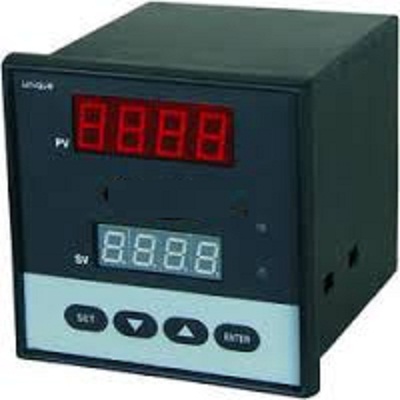
| Business Type | Manufacturer, Exporter, Supplier |
| Number Of Flower | Humidity Controller |
| Condition | New |
| Automatic Grade | Automatic |
| Application | Industrial |
| Certification | CE Certified |
| Feature | Accuracy, Digital Water Meter Display |
| Country of Origin | 220V |
| Material | Mild Steel |
| Payment Terms | T/T |
A humidity controller is a device that automatically regulates the humidity level within a specific environment. It maintains a desired level of moisture content in the air by controlling equipment that adds or removes moisture. Here's a breakdown of its key features:
Function:
· Monitors the surrounding air's relative humidity (RH) using a built-in sensor.
· Compares the measured RH to a user-defined setpoint (desired humidity level).
· Activates connected devices (humidifier or dehumidifier) based on the difference between the actual and setpoint RH.
Components:
· Sensor: Measures the relative humidity in the environment.
· Controller: Analyzes the sensor data and compares it to the setpoint.
· Output: Activates or deactivates connected equipment (humidifier or dehumidifier) based on the analysis.
Applications:
· Homes and Buildings: Maintaining comfortable and healthy humidity levels for occupants, preventing mold growth and protecting furniture/woodwork.
· Greenhouses and Grow Rooms: Optimizing humidity for plant growth and preventing fungal diseases.
· Storage Facilities: Controlling humidity to prevent moisture damage to sensitive items like electronics, artwork, or musical instruments.
· Industrial Processes: Maintaining precise humidity levels for various manufacturing processes, such as electronics production or food storage.
Types of Humidity Controllers:
· Analog: Have dials or knobs for setting the desired humidity level and may have lights to indicate operating status.
· Digital: Offer a digital display for precise setpoint selection and often show real-time humidity readings. Some may have advanced features like alarms, data logging, or remote control capabilities.
Choosing a Humidity Controller:
· Consider the size of the space you want to control.
· Think about the desired level of accuracy and features you need (analog vs. digital).
· Ensure compatibility with the type of humidifier or dehumidifier you plan to use.
| Business Type | Manufacturer, Exporter, Supplier |
| Certification | CE Certified |
| Feature | Accuracy, Durable, Light Weight, Low Power Comsumption |
| Display Type | Digital |
| Number Of Flower | Humidity Data Logger |
| Material | Plastic |
| Country of Origin | India |
| Automation Grade | Semi Automatic |
| Application | Humidity Monitoring |
| Payment Terms | T/T |
| Packaging Details | Box |
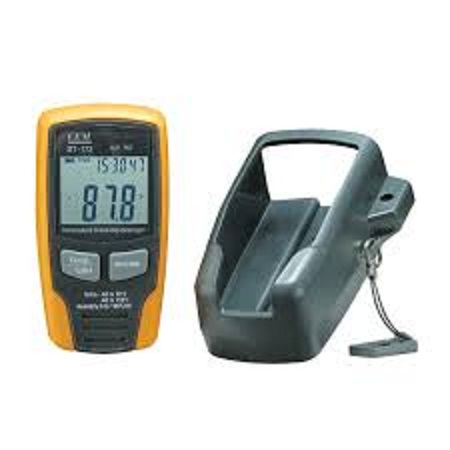
A humidity data logger is a device that electronically records and stores humidity measurements over time. It combines the sensing capabilities of a humidity sensor with a data storage mechanism, creating a valuable tool for various applications. Here's a breakdown of its key features:
Function:
· Measures the relative humidity (RH) in the environment at regular intervals using a built-in sensor.
· Stores the collected humidity data points in its internal memory or on an external storage device (like an SD card).
· May offer additional features like:
o User-programmable logging intervals (how often to take measurements).
o Ability to set alarm thresholds for high or low humidity levels.
o Downloading stored data to a computer for analysis and visualization.
Benefits of using a humidity data logger:
· Tracks humidity trends: Provides a historical record of how humidity levels have fluctuated over time.
· Identifies patterns and anomalies: Helps identify potential causes of high or low humidity conditions.
· Verifies environmental conditions: Documents whether a specific space has maintained the desired humidity range during a particular period.
· Supports troubleshooting: Can be used to diagnose problems related to humidity control systems.
Applications:
· Environmental monitoring: Tracking humidity changes in greenhouses, laboratories, weather stations, or storage facilities for research or quality control purposes.
· Building management: Monitoring humidity levels in commercial buildings, museums, or archives to ensure proper conditions for occupants or sensitive items.
· HVAC system monitoring: Recording humidity data to assess the performance of heating, ventilation, and air conditioning systems.
· Industrial processes: Documenting humidity levels during manufacturing processes to ensure quality control and adherence to regulations.
Types of Humidity Data Loggers:
· Standalone: Portable loggers with built-in displays for viewing current and logged data.
· Datalogging with external sensor: A data logger unit separate from a sensor probe that can be positioned remotely.
· Wireless: Transmit data wirelessly to a computer or mobile device for real-time monitoring.
Choosing a Humidity Data Logger:
· Consider the desired measurement range and accuracy.
· Think about the logging interval (how often you need measurements) and storage capacity.
· Select a model with features like alarms, data download options, and user interface complexity that suit your needs.
· Choose a logger with appropriate environmental protection for the intended use location.

| Business Type | Manufacturer, Exporter, Supplier |
| Number Of Flower | Humidity Transmitters |
| Country of Origin | India |
| Shape | Cylendrical |
| Condition | New |
| Automation Grade | Automatic |
| Certification | CE Certified |
| Pack Type | Packed in Carton Box |
| Product Code | S |
| Port | A |
| Payment Terms | T/T |
| Packaging Details | Box |
A humidity transmitter is a device that measures the relative humidity (RH) in an environment and transmits that information electronically as a signal. This signal can then be used by other devices for monitoring, recording, or controlling purposes. Here's a closer look at humidity transmitters:
Function:
· Senses the surrounding air's relative humidity using a built-in sensor (often similar to those in humidity controllers).
· Converts the measured humidity value into a standard electrical signal (e.g., 4-20mA current loop).
· Transmits the signal over a cable or wirelessly to a monitoring system, data logger, or control unit.
Benefits of using a humidity transmitter:
· Remote monitoring: Allows for monitoring humidity levels from a central location, even for spaces that are difficult to access physically.
· Data recording: The transmitted signal can be logged for data analysis and trend identification.
· Integration with control systems: The signal can be used by a controller to activate humidifiers or dehumidifiers to maintain desired humidity levels.
· Improved accuracy: Transmitters can offer higher accuracy compared to some humidity controllers, especially over long distances.
Applications:
· HVAC systems: Monitoring and controlling humidity levels in buildings for comfort and efficiency.
· Industrial processes: Ensuring precise humidity levels in manufacturing environments for product quality control.
· Environmental monitoring: Tracking humidity changes in greenhouses, laboratories, or weather stations.
· Data centers: Maintaining optimal humidity for proper storage and operation of sensitive electronic equipment.
Types of Humidity Transmitters:
· Wall-mounted: Installed directly in the space where humidity needs to be measured.
· Duct-mounted: Designed for placement within air ducts in HVAC systems.
· Wireless: Transmit the signal wirelessly to a receiver, eliminating the need for cables.
Choosing a Humidity Transmitter:
· Consider the range of humidity you expect to measure.
· Select the appropriate output signal type based on your control system's compatibility.
· Think about the environment where the transmitter will be installed (temperature, dust, etc.) and choose a suitable model.
In essence, humidity transmitters provide a more versatile and sophisticated way to measure and transmit humidity data compared to basic humidity controllers. They are ideal for situations where remote monitoring, data logging, or integration with control systems is required.

| Business Type | Manufacturer, Exporter, Supplier |
| Material | Plastic |
| Specialities | Precisely Designed, Optimum Efficiency, High Quality, Durable, Adjustable, Accuracy |
| Surface Finishing | Polished |
| Max. Voltage | 110V 220V |
| Contact Material | Silver |
| Country of Origin | India |
| Shape | Rounded |
| Design | Standard |
| Packaging Type | Box |
| Media Type | Liquid |
| Packaging Details | Any |
Pressure Switch for application Gas Air Steam Oil Water Chemical Transmitter Switch output variety of dial sizes
| Business Type | Manufacturer, Exporter, Supplier |
| Shape | Rounded |
| Design | Standard |
| Usage | General |
| Packaging Type | Box |
| Specialities | High Tensile, High Quality, Heat Resistance |
| Material | Mild Steel |
| Country of Origin | India |
| Surface Finishing | Polished |
| Payment Terms | T/T |
| Packaging Details | Box |
Level Switches: Guardians of Liquid and Bulk Material Levels
Level switches are essential components in various industrial processes and storage applications. They act as electronic or mechanical sentinels, monitoring the height of liquids or bulk solids in containers and triggering actions based on preset levels. Here's a breakdown of level switches, their types, and specifications to consider:
Function:
· Detect when a liquid or bulk material reaches a specific level within a tank, silo, or bin.
· Generate an electrical signal (on/off or analog) based on the detected level.
· This signal can be used to control pumps, valves, alarms, or other equipment to maintain desired fill levels, prevent overflows, or initiate refilling processes.
Types of Level Switches:
The choice of level switch depends on the type of material being monitored (liquid or solid) and the desired functionality. Here are some common types:
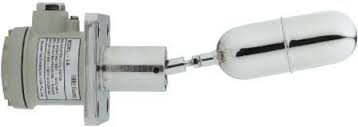
· Float Level Switches:
o A simple and reliable option for liquids.
o A buoyant float rises or falls with the liquid level, triggering a switch mechanism at preset high or low points.
· Displacer Level Switches:
o A displacer element suspended in the liquid moves due to buoyancy changes.
o This movement is detected by a magnetic or mechanical linkage, activating the switch at specific levels.
· Conductivity Level Switches:
o For conductive liquids.
o Electrodes at set points detect conductivity when submerged, indicating the liquid level reaching that point. (Not suitable for non-conductive liquids like oil)
· Ultrasonic Level Switches:
o Emit ultrasonic sound pulses and measure the time it takes for the echo to return.
o This time difference translates to the distance to the material surface, indicating the level. (Suitable for liquids, slurries, and some solids)
· Optical Level Switches:
o Use light beams to detect the presence or absence of material at a specific point.
o Can be suitable for clear liquids or opaque solids depending on the technology (e.g., photoelectric, light reflection).
· Radio Frequency (RF) Admittance Level Switches:
o Emit high-frequency radio waves to sense the presence or absence of material.
o Can be effective for liquids, slurries, and some solids with varying dielectric properties.
· Vibrating Fork Level Switches:
o A tuning fork vibrates at a specific frequency.
o When the material contacts the fork and dampens the vibration, the switch detects the change and indicates a high level. (Suitable for liquids, slurries, and some solids)
· Magnetostrictive Level Switches:
o Utilize a sound wave traveling through a rod to measure the level.
o The presence of material affects the wave propagation, triggering the switch at specific points. (Suitable for liquids and some solids)
Specifications to Consider When Choosing a Level Switch:
· Material Type: Liquid or bulk solid (and its properties like viscosity, abrasiveness)?
· Level Detection Points: High level, low level, or multiple points?
· Operating Temperature and Pressure: Compatible with the tank environment?
· Wetted Materials: Materials the switch will be in contact with (compatibility)?
· Electrical Rating: Output voltage and current requirements for connected equipment.
· Enclosure Rating: NEMA rating for protection against dust, moisture, or hazardous locations.
· Desired Features: Alarm contacts, control relays, data logging capabilities?
Additional Considerations:
· Cost: Level switches range in price depending on complexity and features.
· Ease of Installation and Maintenance: Consider accessibility and cleaning requirements.
· Approvals: Ensure the switch meets any regulatory requirements for your application.

